Wooden Corner Key Holder Rack Laser Cut: Practical Tips for Choosing and Using Laser Cut Key Holders
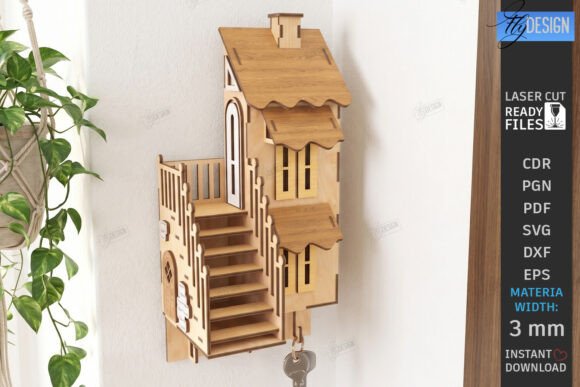
When it comes to organizing keys in a stylish and space-saving way, the Wooden Corner Key Holder Rack Laser Cut is a popular choice for DIY enthusiasts and home decorators alike. This wall-mounted organizer uses precision laser-cut designs to create functional and decorative storage solutions for entryways, offices, or bedrooms. Whether you're a woodworker looking to expand your product line or a homeowner seeking a custom organizational piece, understanding how to properly select, use, and apply these laser cut files is essential for achieving the best results.
Common Mistakes When Choosing Laser Cut Key Holder Files
One of the most common mistakes buyers make is assuming that all laser cut file packages are compatible with their equipment. The Wooden Corner Key Holder Rack Laser Cut digital download includes SVG, EPS, PNG, PDF, and DXF files, which cover a wide range of software and machines. However, not all laser cutters or CNC routers interpret these formats the same way. Some users may download the files only to find that their software doesn't support certain vector elements or layering features.
Another oversight involves file scaling. The designs are typically created for 3mm plywood, but if you're using a different thickness or material type, adjustments may be necessary. Failing to scale the design correctly can result in parts that don't fit together properly or look visually unbalanced.
How These Mistakes Affect Your Project
Using incompatible files or incorrect scaling can lead to wasted time, materials, and frustration. If the design doesn't cut properly due to software incompatibility, you may end up with a misaligned or incomplete key holder. This affects not only the structural integrity of the piece but also its visual appeal. A poorly assembled key rack might not hold keys securely or may look unprofessional if you're creating it for resale.
Additionally, incorrect scaling can distort design elements like the 3D layered house silhouette, playful cats, or geometric lattice patterns. These decorative features are carefully proportioned to create visual harmony. When resized improperly, they can lose their intended charm and appear stretched or compressed.
How to Avoid These Issues
To avoid compatibility issues, always check your laser cutter or CNC router specifications before purchasing. Confirm which file types your machine supports and test the file in your software before cutting. Some platforms may require you to convert layers or adjust line colors to match cutting and engraving commands — for example, red lines for cutting and black lines for engraving.
When adjusting the size of the design, use the scaling tools within your vector editing software rather than manually resizing with your mouse. This ensures that all elements maintain their proportional relationships. If you're unsure how to do this, many online tutorials or customer support teams can guide you through the process specific to your software and machine type.
Overlooked Details When Applying Laser Cut Key Holder Designs
Many users overlook the importance of material selection when working with the Wooden Corner Key Holder Rack Laser Cut files. While the design is optimized for 3mm plywood, other materials like acrylic, MDF, or thicker wood can affect how the design cuts and engraves. For example, thicker materials may require multiple passes or slower speeds, which can impact the final look and durability of the piece.
Another overlooked detail is post-processing. After cutting, some users neglect to sand or finish the edges, which can leave the piece looking rough or unfinished. This is especially important if you're using the key holder as a decorative item in a visible space like an entryway.
Better Approaches to Enhance Your Laser Cut Key Holder
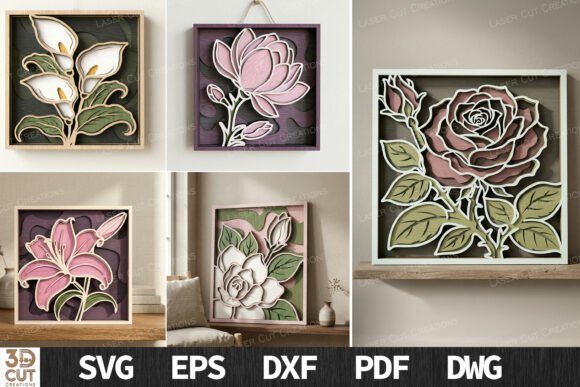
For better results, consider experimenting with different finishes or paint techniques. Staining or painting the floral rose design or mountain landscape layout can bring out the details and make the piece more visually striking. Adding a protective coat of varnish or sealant can also extend the life of the wooden key holder, especially in high-traffic areas.
If you're planning to use the key holder as part of a larger decor scheme, think about how the design elements interact with your existing space. The geometric lattice pattern might complement modern interiors, while the playful cats design could be a fun addition to a child's room or a pet-friendly home.
What to Check Before Downloading or Cutting
Before finalizing your purchase of the Wooden Corner Key Holder Rack Laser Cut files, verify the following:
- File Compatibility: Ensure your laser cutting or CNC software supports SVG, EPS, DXF, and PDF formats.
- Material Thickness: Confirm that the design is optimized for your material of choice, especially if you're not using 3mm plywood.
- Layer Settings: Check if the file uses separate layers for cutting and engraving, and if those layers are clearly marked (e.g., red for cut, black for engrave).
- Design Integrity: Preview the file to ensure all design elements align correctly and that there are no missing or distorted parts.
If you're unsure about any of these aspects, don't hesitate to reach out to the seller for clarification or additional file types. Most digital designers are happy to provide support or alternate versions to help you achieve the best results.
Final Thoughts
The Wooden Corner Key Holder Rack Laser Cut is more than just a functional organizer — it's a customizable decor piece that can reflect your personal style or brand aesthetic. By avoiding common mistakes related to file compatibility, scaling, material selection, and finishing, you can ensure your project turns out both beautiful and practical. Whether you're making one for yourself or producing a batch for sale, taking the time to understand and prepare for these potential issues will save you time, money, and effort in the long run.
Remember, laser cutting is both a technical and creative process. With the right files, tools, and attention to detail, you can transform a simple piece of plywood into a unique and useful home accessory.