Understanding the Power of Isometric Concept Icons and 3D Pictogram Illustrations
Isometric concept icons and 3D pictogram illustrations have become essential tools in modern digital design. These visual elements offer a dynamic and engaging way to represent abstract ideas, processes, and themes across a variety of platforms. Whether you're designing a website, creating a presentation, or developing an app, these illustrations can enhance communication, improve user experience, and add a professional aesthetic to your content.
What Are Isometric Concept Icons?
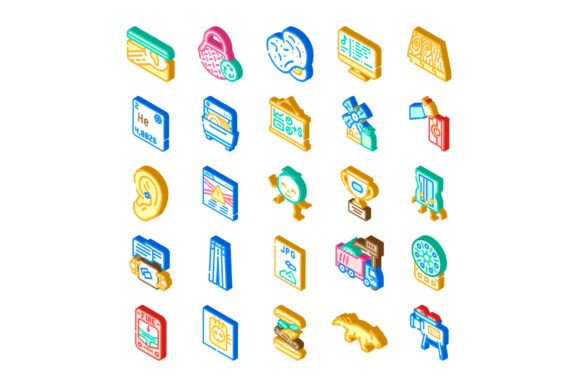
Isometric concept icons are a type of visual representation that uses a three-dimensional perspective to illustrate ideas, objects, or scenarios. Unlike traditional flat icons, isometric icons provide depth and dimension, making them more lifelike and visually appealing. These icons are often used to depict complex ideas in a simplified and intuitive format.
For example, instead of using a simple flat icon to represent teamwork, an isometric version might show a group of people collaborating around a table. This level of detail helps viewers instantly grasp the meaning without needing additional text or explanation.
The Role of 3D Pictogram Vector Illustrations
3D pictogram vector illustrations expand on the concept of isometric icons by offering scalable, high-quality graphics that can be used across different media. These illustrations are created using vector graphics software, allowing them to be resized without losing clarity or sharpness. This makes them ideal for use in web design, mobile apps, print media, and more.
These pictograms are especially useful for representing abstract concepts like innovation, communication, or sustainability. By using a combination of shapes, colors, and stylized elements, they convey meaning in a way that is both visually striking and easy to understand.
Why These Illustrations Matter in Modern Design
In today’s fast-paced digital environment, users often scan content rather than read it in detail. Visual elements like isometric icons and 3D pictograms help break down complex information into digestible visuals. This not only improves comprehension but also increases engagement and retention.
- Enhanced Visual Communication: Complex ideas can be communicated more effectively with visuals than with text alone.
- Improved User Experience: Visually appealing designs make websites and apps more enjoyable to use.
- Brand Consistency: Custom-designed icons and pictograms can reinforce brand identity across platforms.
Applications Across Different Industries
One of the most compelling aspects of isometric concept icons and 3D pictograms is their versatility. They can be applied in a wide range of industries and contexts, each time serving a unique purpose while maintaining visual coherence.
1. Business and Marketing
In the business world, these illustrations are often used in presentations, reports, and dashboards to visualize data, strategies, and workflows. For instance, a marketing team might use a set of isometric icons to illustrate different stages of a customer journey, from awareness to conversion.
2. Education and E-Learning
Educational platforms and e-learning modules benefit greatly from these visuals. They help explain abstract or complex subjects in a more engaging way. For example, a lesson on environmental science might use 3D pictograms to show the water cycle or renewable energy sources.
3. Technology and Software Development
Software interfaces and tech-related websites often use isometric icons to guide users through features or explain technical processes. These visuals make it easier to understand system architecture, cloud computing, or cybersecurity concepts without overwhelming the user with jargon.
4. Healthcare and Wellness
Healthcare websites and apps use these illustrations to explain medical procedures, fitness routines, or mental health practices in a clear and approachable way. Visuals of people exercising, taking medication, or meditating can convey important health information without the need for dense text.
Designing for Impact: Key Considerations
While isometric concept icons and 3D pictograms offer many benefits, their effectiveness depends heavily on thoughtful design and implementation. Here are some key considerations when incorporating these elements into your projects:
- Consistency: Ensure all icons and illustrations follow the same visual style, including color schemes, lighting, and perspective.
- Scalability: Use vector formats to ensure your graphics look sharp on all screen sizes and resolutions.
- Accessibility: Choose colors and contrasts that are easy to distinguish, especially for users with visual impairments.
- Context: Make sure the visuals accurately reflect the message or function they represent.
Common Misconceptions About Isometric Icons
Despite their growing popularity, there are still some common misunderstandings about isometric concept icons and 3D pictograms. Here are a few myths and the realities behind them:
- Myth: Isometric icons are only for trendy websites.
Reality: While they are popular in modern design, they are also highly functional and can be used in professional and technical contexts. - Myth: Creating isometric graphics is time-consuming.
Reality: With the right tools and templates, designers can create high-quality isometric visuals efficiently. - Myth: These icons are difficult to customize.
Reality: Since they are often vector-based, they can be easily edited, recolored, and adapted for different uses.
How to Choose the Right Visuals for Your Project
Selecting the right isometric icons and pictograms involves more than just picking what looks good. You need to consider the purpose, audience, and platform where the visuals will be used.
Here are some steps to guide your selection process:
- Define the Purpose: What message or function should the visual convey?
- Know Your Audience: Will the visuals be used by professionals, students, or general users?
- Match the Style: Choose visuals that align with your brand’s aesthetic and tone.
- Test for Clarity: Show the visuals to others to ensure they are immediately understandable.
Tools and Resources for Designing with Isometric Graphics
Many designers and developers are turning to specialized tools and platforms to create and implement isometric concept icons and 3D pictograms. Some of the most popular include:
- Adobe Illustrator – A powerful vector design tool ideal for creating custom isometric graphics.
- Sketch – A digital design toolkit with plugins that support isometric design.
- Figma – A collaborative design platform with built-in support for vector graphics and icon sets.
- Lunacy – A free graphic design software with AI-powered features and support for isometric design.
Additionally, websites like Undraw and Open Doodles offer free, customizable isometric illustrations that can be used in both personal and commercial projects.
Conclusion: Embracing Visual Storytelling in the Digital Age
As digital communication continues to evolve, the importance of visual storytelling cannot be overstated. Isometric concept icons and 3D pictogram illustrations are more than just design trends—they are powerful tools that help bridge the gap between complex ideas and user understanding.
By incorporating these visuals into your projects, you can enhance clarity, improve engagement, and create a more memorable user experience. Whether you're a designer, developer, educator, or business professional, understanding and utilizing these design elements can elevate your work and connect with your audience in meaningful ways.