Personalized Baby Birth Stats Signs: A Guide to Creating Meaningful Keepsakes
Welcoming a new baby is a moment filled with emotion, celebration, and lasting memories. One of the most thoughtful ways to commemorate this milestone is with a personalized baby birth stats sign. These custom signs offer a beautiful, lasting way to display a newborn’s name, birth date, time, weight, and length. Whether you're a DIY enthusiast, a small business owner, or someone looking for a heartfelt gift, these laser-cuttable SVG designs provide a versatile and elegant solution.
Why People Love Personalized Baby Birth Stats Signs
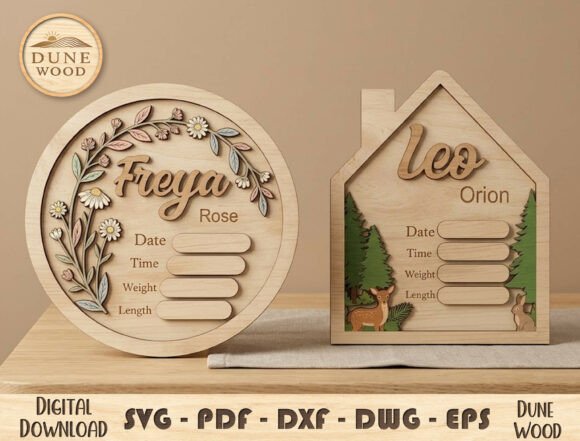
Baby birth stats signs are more than just decorative items — they’re keepsakes that capture the first moments of a child’s life. Many parents treasure them as part of nursery décor or as part of a baby’s first photoshoot. For creators and small business owners, they represent a profitable, customizable product that appeals to new parents and gift-givers alike.
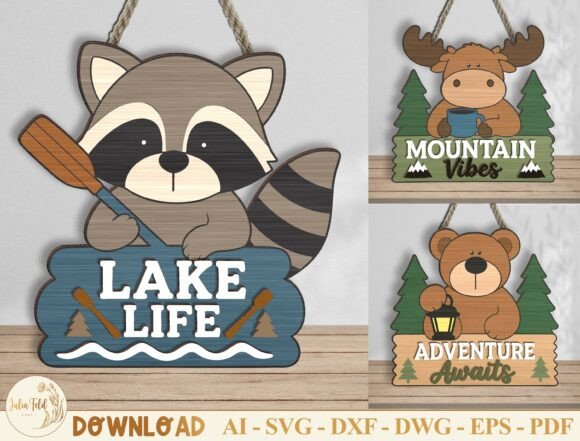
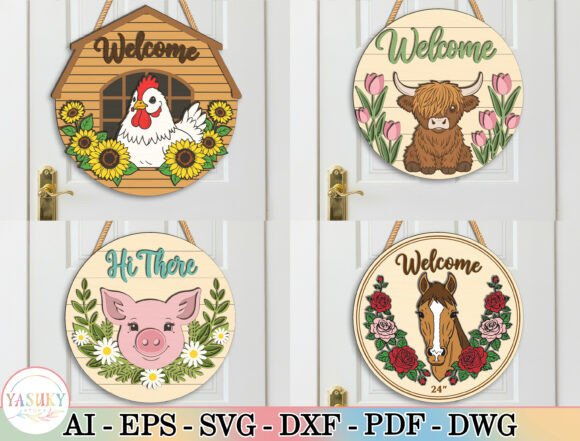
The signs often feature layered designs that create a 3D effect when assembled, adding visual depth and sophistication. Themes like floral wreaths, woodland animals, and cozy home motifs make it easy to match a wide range of styles and nursery themes. These SVG files are compatible with laser cutting machines and are easy to customize with names and birth details.
Common Mistakes to Avoid When Choosing and Using Birth Stats Signs
While personalized baby birth stats signs are a beautiful idea, there are a few common mistakes people make that can affect the final result — from design issues to material choices and personalization errors.
1. Underestimating the Importance of File Quality
One of the most overlooked aspects is the quality of the SVG file itself. Some files may have overlapping lines, broken paths, or inconsistent layering, which can cause problems during laser cutting or engraving. This can lead to misaligned layers, incomplete cuts, or a final product that looks rushed or unprofessional.
Better approach: Always check that the SVG file is clean, well-organized, and tested for laser cutting. Look for files that mention they are “professionally tested” and include clear layering instructions.
2. Choosing the Wrong Material
Not all materials cut or engrave the same way. Wood, MDF, acrylic, and even metal can behave differently when processed by a laser machine. Using the wrong material can lead to charring, incomplete cuts, or poor engraving detail — especially with intricate designs like floral patterns or small text.
Better approach: Match your material to your design and machine capabilities. For example, use birch plywood for a natural look with clean cuts, or acrylic for a modern, glossy finish. Always test on a scrap piece before cutting your final product.
3. Overloading the Design with Too Much Text
It’s tempting to include every detail about a baby’s birth, but overcrowding the sign with too much text can make it hard to read and visually cluttered. This can be especially problematic for signs that are meant to be displayed in a nursery or used in photos.
Better approach: Stick to the most essential details — name, date, time, weight, and length. Use font sizes and spacing intentionally to ensure readability. Consider leaving a small area for a short message or quote if space allows.
4. Ignoring Font Legibility
Choosing a decorative font might look nice in preview, but if it’s too ornate or thin, it may not cut well or could be difficult to read once assembled. This mistake can affect the overall quality and professionalism of the finished product.
Better approach: Opt for fonts that are both stylish and legible. Sans-serif fonts tend to cut cleaner, while script fonts should be used sparingly and at a larger size to maintain clarity.
5. Not Planning for Assembly and Finishing
Layered signs often require assembly after cutting, which many people don’t account for when ordering files or planning production time. Without clear layering instructions or proper finishing techniques, the final product may look uneven or incomplete.
Better approach: Choose designs that come with assembly guides or layer order instructions. Plan for finishing steps like sanding, staining, or painting to enhance the final look. If you're making signs for sale, consider offering pre-assembled options for customers who prefer convenience.
What to Check Before Buying or Using a Personalized Baby Birth Stats Sign
Before downloading or purchasing an SVG file for a baby birth stats sign, it's important to verify a few key points to ensure a smooth and successful project.
- File Format: Make sure the file is compatible with your laser cutting software. Most SVG files are usable, but some may need conversion to DXF or another format depending on your machine.
- Layer Organization: Well-structured files with clearly labeled layers make it easier to cut and assemble the final product.
- Customization Options: Look for files that allow easy editing of text and spacing so you can personalize each sign without needing advanced design skills.
- Commercial Use Rights: If you're selling the finished signs, confirm that the file includes commercial use permissions to avoid copyright issues.
Real-Life Example: A Better Way to Personalize a Sign
Imagine you're creating a woodland-themed birth stats sign for a baby named Oliver. You choose a clean SVG file with deer and forest elements. Instead of adding too many details, you focus on Oliver’s name, birth date, time, and weight. You select birch plywood for a natural look and test your laser settings on a scrap piece to avoid charring.
You use a legible font for the stats and a decorative script for the name to add visual interest. After cutting, you lightly sand the edges and apply a soft wood stain to enhance the layers. The final product is elegant, readable, and professionally finished — a keepsake that will be cherished for years.
Final Thoughts
Personalized baby birth stats signs offer a meaningful and creative way to celebrate a new life. Whether you're making them for personal use or to sell in your handmade business, attention to detail makes all the difference. By avoiding common mistakes — from poor file quality to font issues — you can ensure your signs are both beautiful and functional.
Take the time to review your design files, choose the right materials, and plan for customization and finishing. With a thoughtful approach, you’ll create signs that not only look great but also hold lasting sentimental value for families and customers alike.