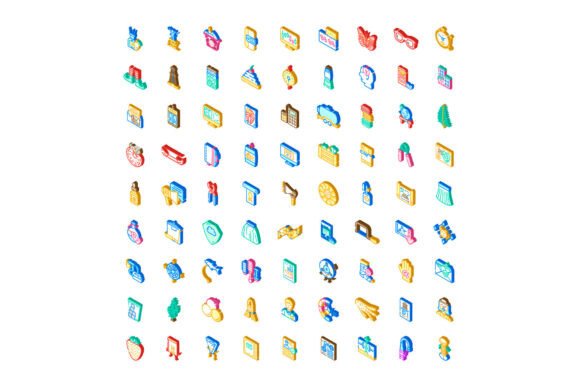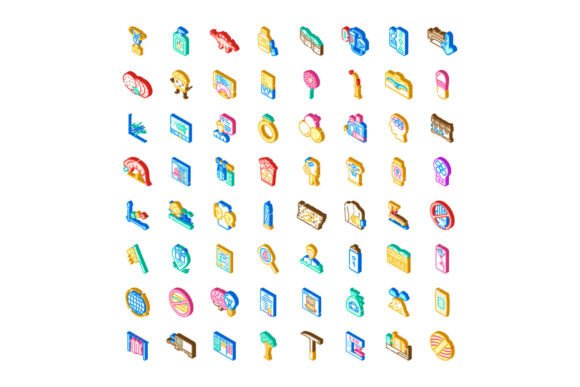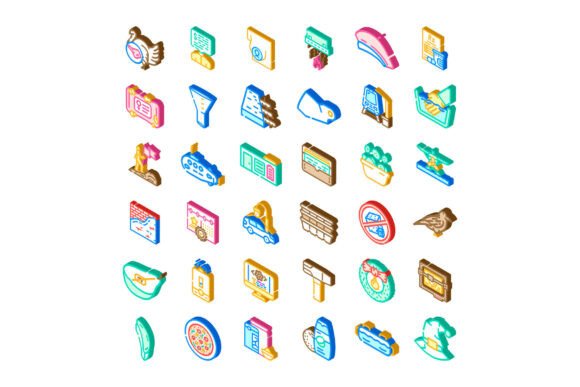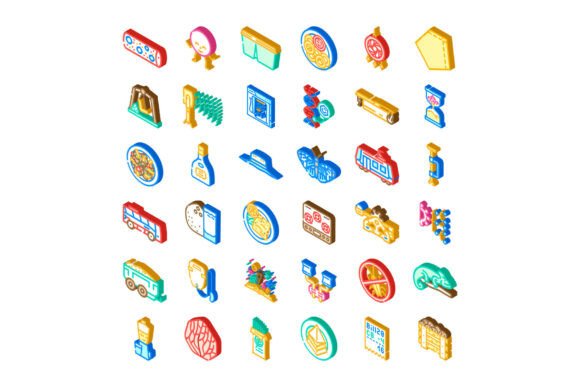
Diverse Collection of Isometric Flat Design
Unlocking Creative Potential with Versatile Visual Assets
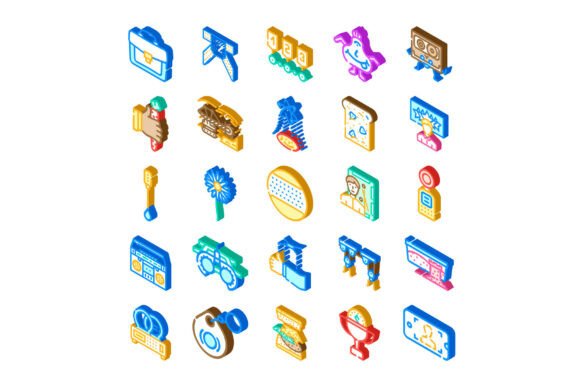
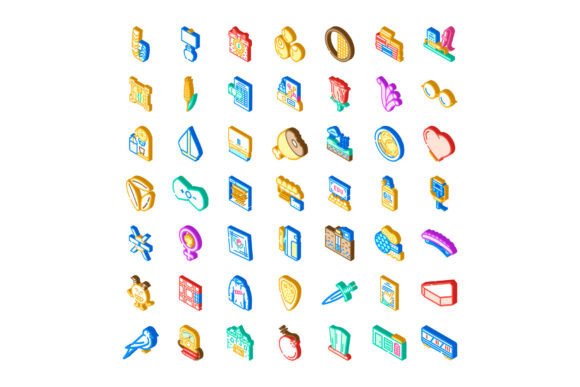
Designers today are constantly seeking tools that offer both flexibility and visual appeal. The Diverse Collection of Isometric Flat Des delivers exactly that—combining clean, modern aesthetics with a three-dimensional feel that enhances digital projects across platforms. These illustrations, while rooted in flat design principles, use isometric projection to create depth and realism without complexity.
What sets this collection apart is its breadth. From everyday objects like laptops and furniture to abstract concepts like teamwork and innovation, the variety allows creators to build rich, cohesive visuals for different purposes. Whether you're designing a landing page, a presentation, or an educational infographic, these assets provide a ready-made visual language that's both scalable and adaptable.
Applications Across Industries and Platforms
One of the most compelling aspects of the Diverse Collection of Isometric Flat Des is how broadly applicable it is. Here are just a few ways different professionals can integrate these visuals into their work:
- Web designers can use isometric icons to break up text-heavy layouts, guide user attention, or illustrate feature sections on landing pages.
- Marketers may find these illustrations useful for email campaigns, social media posts, or explainer graphics that simplify complex ideas.
- Educators and e-learning creators can leverage the visuals to support instructional content, making abstract ideas more tangible and engaging for learners.
- Entrepreneurs and startups often need to communicate their value proposition clearly and quickly—these illustrations help clarify processes, business models, and product benefits.
Because the assets are isometric, they maintain a consistent perspective, allowing multiple images to be combined seamlessly in a single layout. This consistency helps maintain a professional look while giving creators the freedom to mix and match elements as needed.
Designing with Purpose: Style, Context, and Customization
While the collection offers a wide array of ready-to-use illustrations, the real value lies in how they can be customized. Designers can tweak colors, layer elements, or combine different visuals to match a brand's identity or a project's tone. The flat design style ensures clarity and adaptability, while the isometric structure adds visual interest without overwhelming the viewer.
For example, a health and wellness brand might use illustrations of people stretching, drinking tea, or meditating to create a calming visual theme. In contrast, a tech startup could use isometric depictions of servers, data streams, and mobile devices to convey innovation and connectivity.
Here are a few practical tips for maintaining visual harmony when working with the collection:
- Stick to a consistent color palette—adjust the hues of illustrations to match your brand or project style.
- Use grid alignment to ensure that all isometric elements sit naturally on the same visual plane.
- Mix with minimal text to let the visuals do the storytelling without clutter.
- Group related elements into scenes—like an office setup with desks, computers, and workers—to create context and narrative.
Project Ideas to Spark Inspiration
If you're looking for inspiration on how to use the Diverse Collection of Isometric Flat Des, consider these project ideas tailored to different audiences and goals:
- Blog illustrations – Replace generic stock images with custom isometric scenes that reflect the content’s theme, such as a travel post featuring luggage, maps, and airplanes.
- Dashboard UI elements – Use isometric icons to represent different metrics or features in a web or mobile app, enhancing usability and visual appeal.
- Print materials – Incorporate these visuals into brochures, posters, or infographics where clarity and modern design matter.
- Interactive presentations – Build engaging slides using layered isometric scenes that animate or reveal step-by-step processes.
Each of these applications benefits from the collection’s clean, modern aesthetic and the flexibility to be used across both digital and print formats. The key is to approach each project with a clear purpose—using visuals not just for decoration, but to enhance understanding and engagement.
Staying Organized and Consistent in Your Design Workflow
Working with a large asset library like the Diverse Collection of Isometric Flat Des can be both exciting and overwhelming. To make the most of it, establish a system that keeps your design process efficient and your results polished.
Start by organizing your files. Create folders based on categories—like technology, nature, or people—and use naming conventions that reflect content and usage. This makes it easier to find the right assets quickly and maintain consistency across projects.
Next, consider building reusable templates or component libraries. If you frequently design landing pages or reports, having pre-styled layouts that include isometric illustrations can save time and ensure visual consistency across your work.
Finally, don’t be afraid to combine isometric illustrations with other design styles. Mixing them with line art, gradients, or even hand-drawn elements can create a unique visual identity. The goal is to stay true to your message while keeping your visuals fresh and engaging.
Final Thoughts: Design That Serves a Purpose
The Diverse Collection of Isometric Flat Des isn’t just about aesthetics—it's a practical toolkit for visual storytelling. Whether you're building a website, creating marketing materials, or developing educational content, these illustrations help you communicate more clearly and creatively.
What matters most is how you use them. By aligning your visuals with your audience’s needs, your brand’s tone, and your project’s goals, you can turn a simple design asset into a powerful communication tool. And that’s where true creative value lies—not in the illustration itself, but in how it serves your purpose and connects with your audience.